Uncategorised
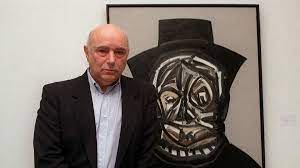
Huesca, 1930 – Cuenca, 1998
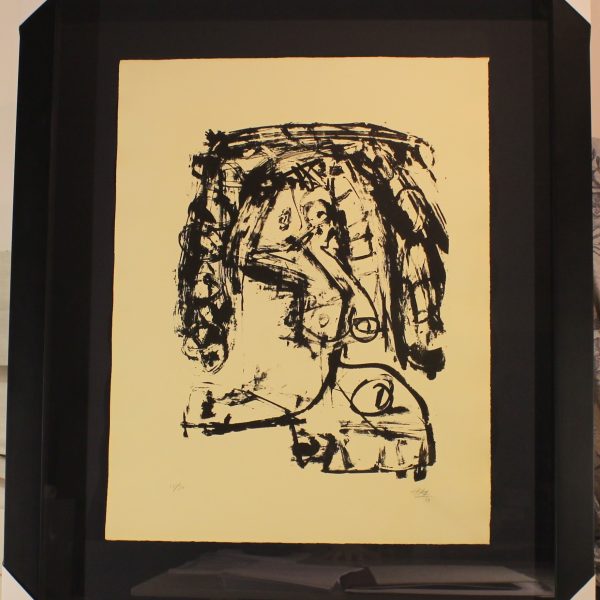
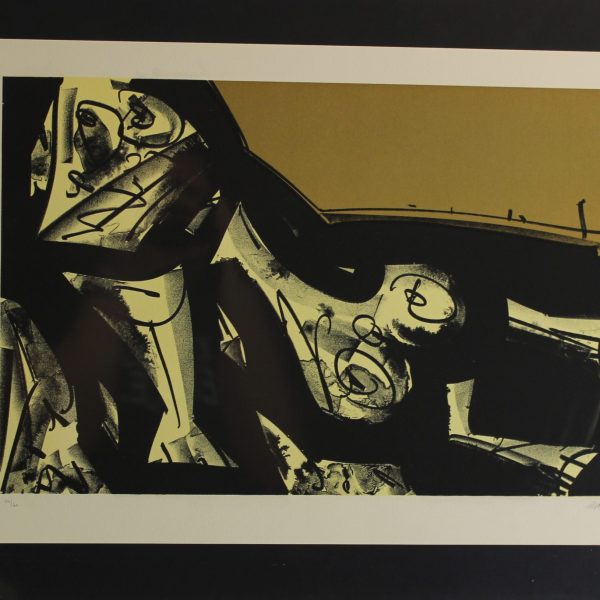
Antonio Saura is one of the key figures of the Spanish artistic avant-garde in the second half of the 20th century. Self-taught at first, from the late forties he undertook an intense exploration that took him from early surrealism to a radically personal language based on the expressiveness of gesture, matter and the figure.
In 1957 he was one of the founders of El Paso, a group that was decisive in renewing post-war Spanish art, alongside artists such as Luis Feito, Manuel Millares, Rafael Canogar and Antonio Suárez. His painting broke with the dominant academic tradition and established a particularly intense dialogue with the history of Spanish painting, from Goya and Velázquez to international modernity.
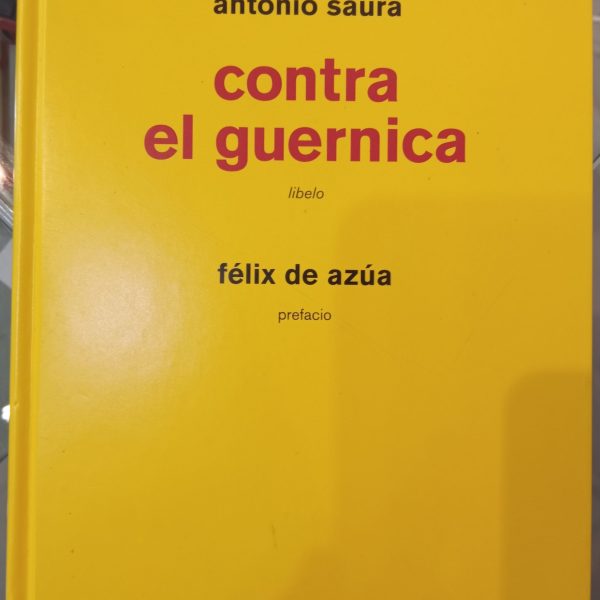
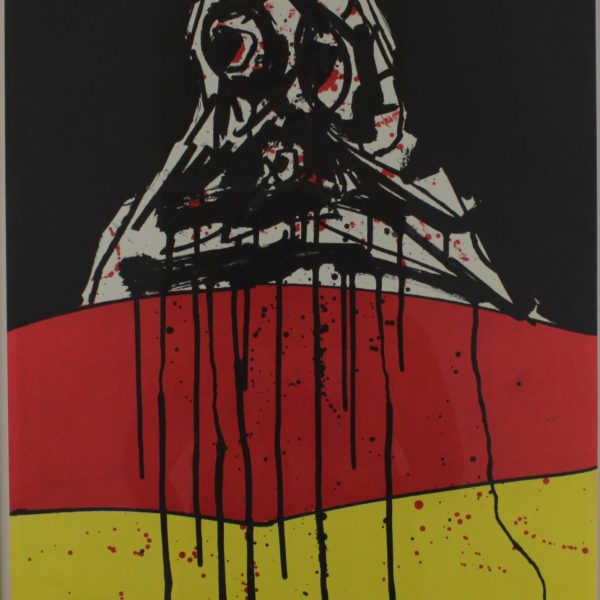
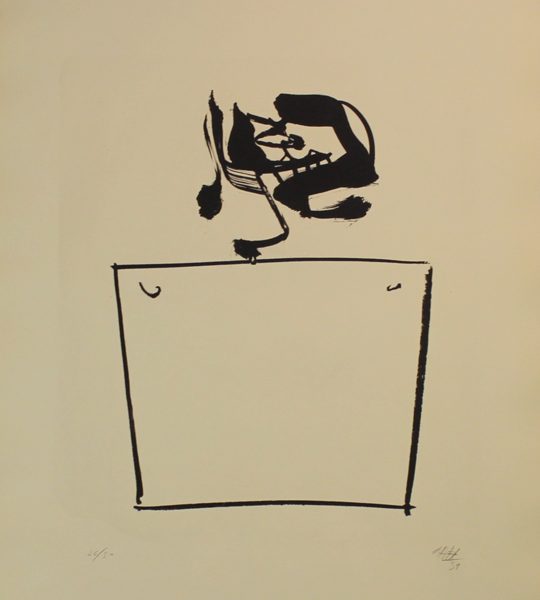
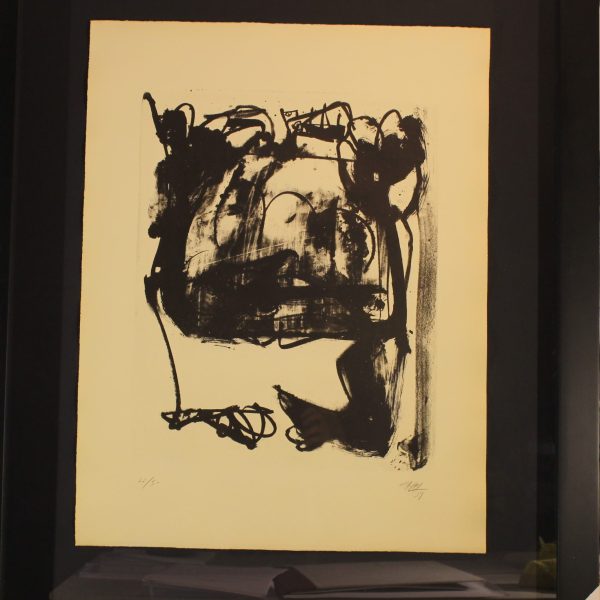
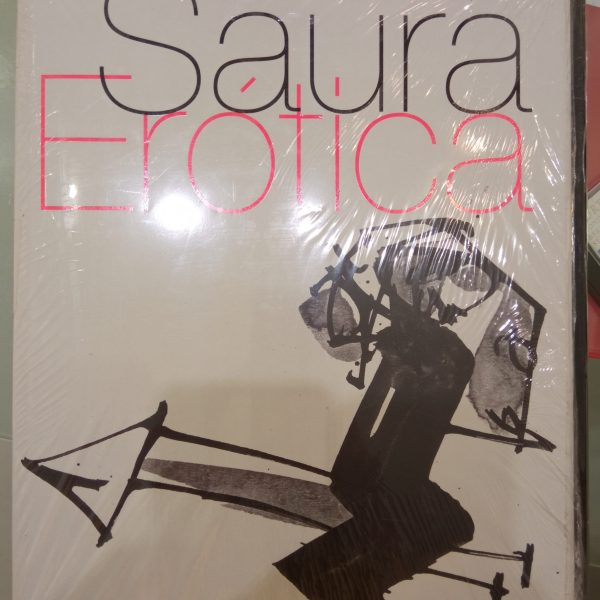
His characteristic figures —heads, ladies, crucifixions and crowds—, often built with a powerful range of blacks, whites and earth tones, became some of the most recognisable signs of European Informalism. His presence at the Venice Biennale and at documenta in Kassel, together with the many international exhibitions devoted to his work, secured his international reputation. Saura was also an important writer and art critic. Today his work is represented in the leading collections of contemporary art, including that of the Museo Nacional Centro de Arte Reina Sofía.