Painting
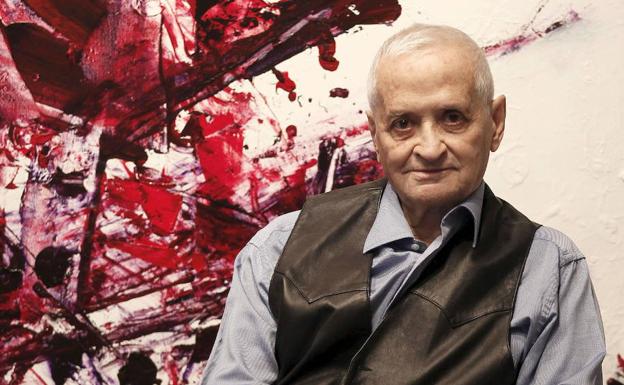
Madrid, 1929 – Rascafría, Madrid, 2021
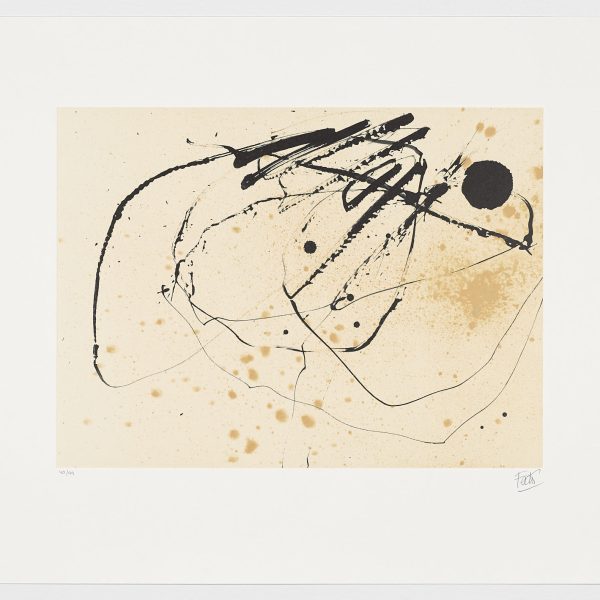
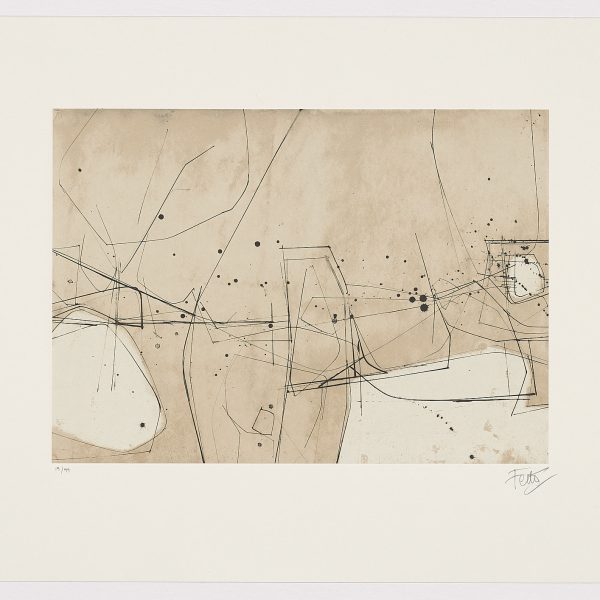
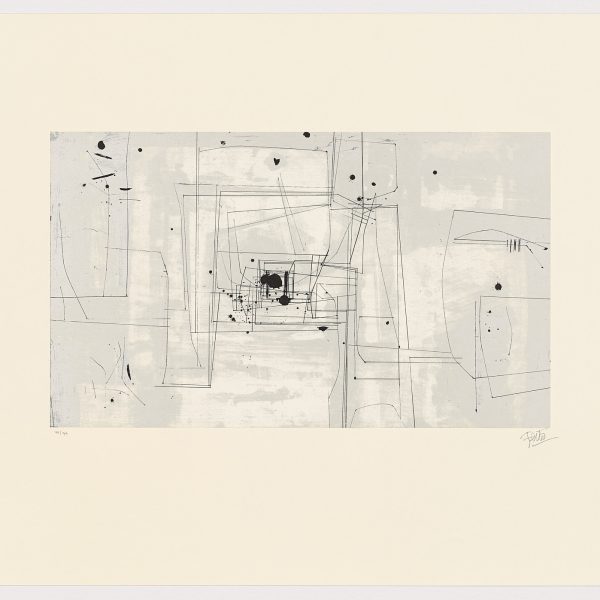
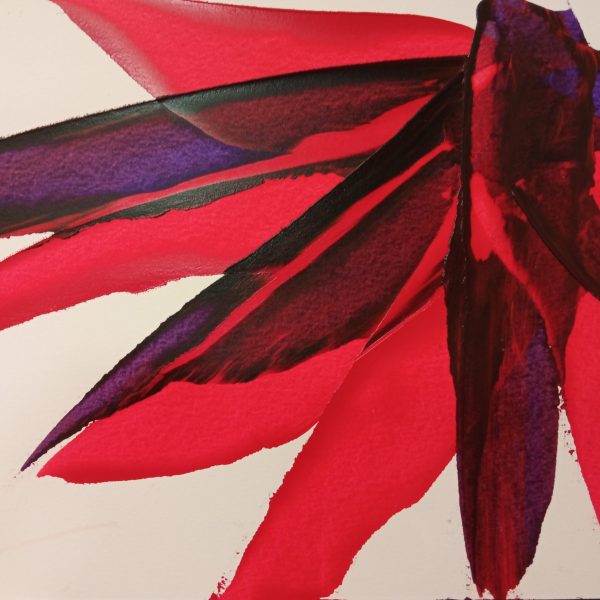
Luis Feito is one of the great protagonists of the renewal of Spanish painting in the second half of the 20th century and one of the main figures to introduce Informalist abstraction into Spain. After training at the Royal Academy of Fine Arts of San Fernando, he gradually abandoned figuration and, from the early fifties, developed a painting based on matter, gesture and compositional freedom.
In 1957 he was a founding member of El Paso, a group that played a decisive role in shaping the post-war Spanish avant-garde. During this period he created intensely textured surfaces built up from oil, sand and other materials, with a palette initially dominated by whites, blacks and ochres.
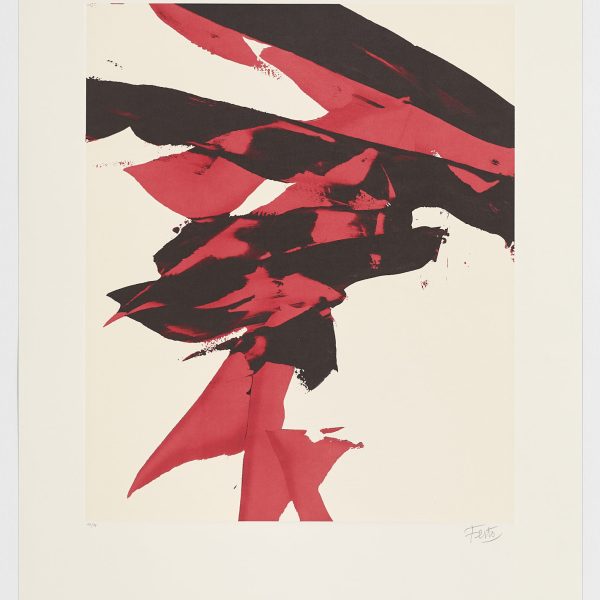
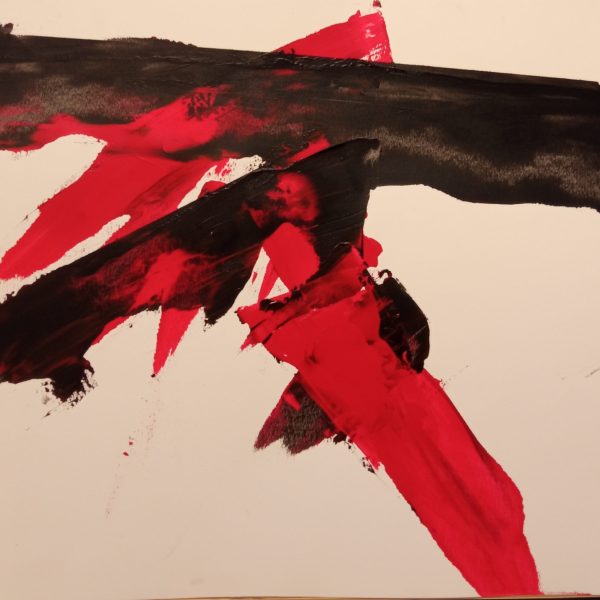
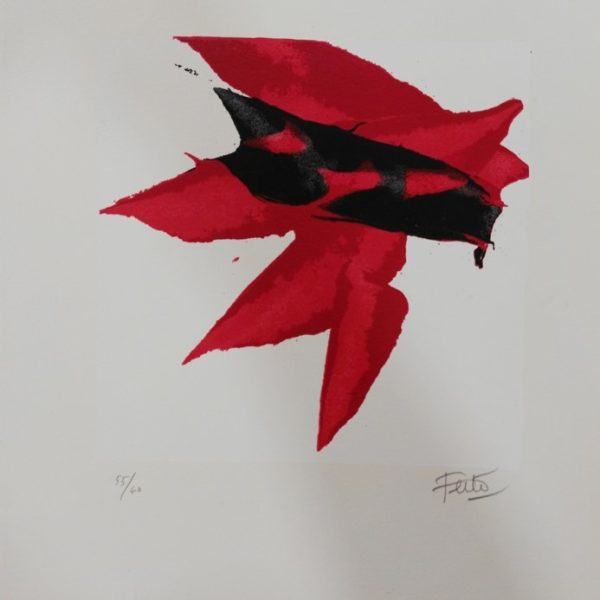
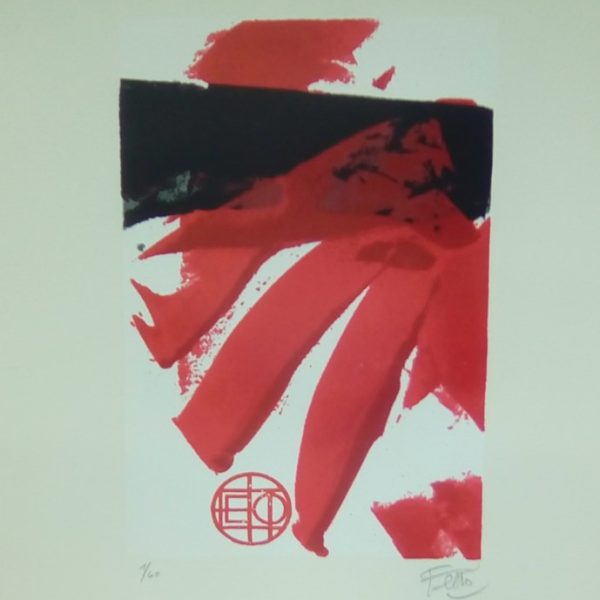
His later development led him towards increasing formal simplification, the introduction of red as an element of strong chromatic tension and, later still, new explorations of space, colour and geometry. His international career included long periods in Paris, Montreal and New York, as well as participation in major biennials and international exhibitions.
In 2002 the Museo Nacional Centro de Arte Reina Sofía devoted a major retrospective to him covering five decades of work, confirming Feito’s position as one of the great names of Spanish abstraction.